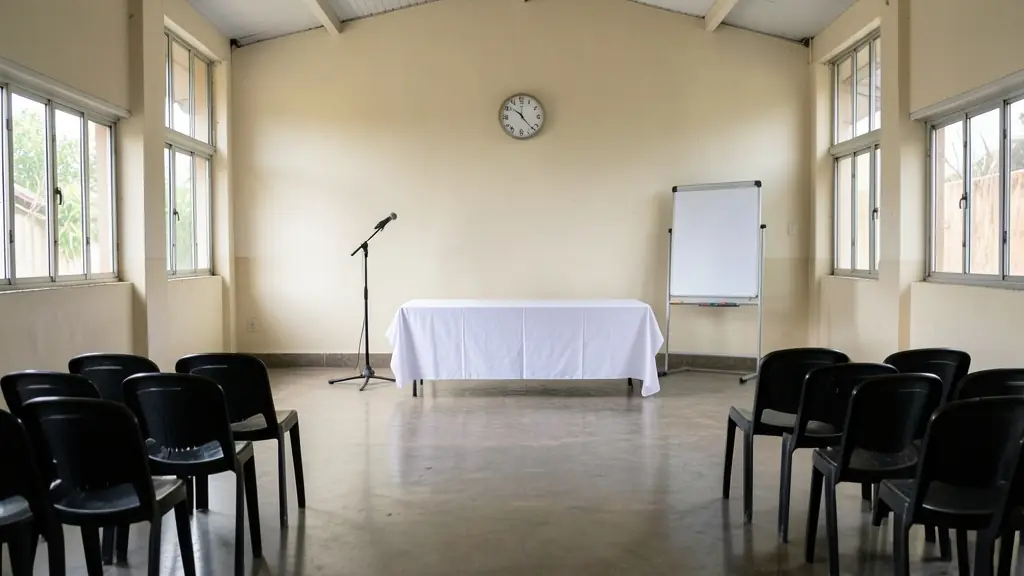
Meeting facilitation is for meetings that matter too much to leave to chance: an AGM with contested resolutions, a board meeting that keeps running over, a stakeholder meeting with groups who distrust each other, or a community meeting about a decision that affects everyone. A meeting facilitator agrees the agenda and ground rules, keeps time, makes sure every voice gets space and records what was decided. They are neutral on the content. Describe the meeting and who will be there, and we pass your request to independent facilitators near you.
Meetings a facilitator can run
- AGMs and special general meetings for body corporates, associations, clubs, stokvels and NPOs
- Board and committee meetings where the chair wants to take part rather than run the process
- Stakeholder meetings between a company, a municipality and residents or suppliers
- Community meetings and imbizos, often with interpretation
- Team meetings with tension, where people need to talk about what isn't working
The work before the meeting
A good facilitated meeting is mostly won beforehand. The facilitator agrees the purpose with whoever called it, drafts or reviews the agenda with a time for each item, and checks the rules: who may vote, what makes a quorum, how a decision is recorded. The agenda and any papers go out in advance so people arrive prepared. For a tense meeting, the facilitator may speak to each group first so there are no surprises on the day.
Difficult conversations and conflict
A facilitator can help a team, a partnership or a community talk through a disagreement: setting ground rules, letting each side be heard without interruption, separating facts from feelings and looking for options both can accept. This is not mediation in a legal dispute, a disciplinary hearing or a CCMA matter; those need a mediator, an HR practitioner or a lawyer. If the conflict is mainly about planning the future, a workshop may be a better format.
Virtual and hybrid meetings
Online meetings drift easily. A facilitator uses a video call platform with hand-raising, a speaking order and live polling for quick decisions, and keeps blocks short. In a hybrid meeting, remote people should be called on first, and the room needs a good microphone, so ask about sound hire for a large hall. Plan for load-shedding with backup power and a dial-in option.
Online voting at an AGM needs extra care. Check what your constitution or memorandum allows, agree before the meeting how proxies and remote votes will be counted, and test the polling tool with a practice question at the start. The facilitator can read each resolution aloud, show the result on screen and record it, so nobody can later say the vote was unclear. Keep a list of who attended online, because quorum rules usually count them too.
What to include in your brief
- What kind of meeting it is
- How many people and which groups
- Languages spoken at the meeting
- In person, online or hybrid
- Any history of tension to know about
Meeting Facilitators for business, government and communities
- Companies and head offices: board and committee meetings, supplier meetings and team conversations that keep getting stuck
- Government departments and municipalities: imbizos, ward meetings and stakeholder forums with residents, business and departments
- Schools, colleges and universities: parent meetings, governing body meetings and staff meetings on difficult changes
- NPOs, churches and community groups: AGMs for NPOs, clubs, body corporates and stokvels, and church council meetings
- Small and family businesses: partner and family business meetings where the owners need to talk openly
- Mines, plants, factories and farms: mine and community forums, and union and management meetings on operational topics
- Event organisers and associations: association AGMs and members' forums held alongside a conference
- Training and skills development providers: advisory board and client review meetings for providers and HR teams
Frequently asked questions
What is the difference between a chair and a facilitator?
Can a facilitator take the minutes?
Can the meeting be in more than one language?
Do you provide the facilitators yourselves?
Meeting Facilitators by province and city
- Johannesburg
- Pretoria
- Centurion
- Midrand
- Sandton
- Randburg
- Roodepoort
- Krugersdorp
- Randfontein
- Germiston
- Boksburg
- Benoni
- Kempton Park
- Alberton
- Vanderbijlpark
- Vereeniging
- Durban
- Pinetown
- Pietermaritzburg
- Richards Bay
- Newcastle
- Ladysmith
- Gqeberha (Port Elizabeth)
- East London
- Kariega (Uitenhage)
- Mthatha
- Cape Town
- Bellville
- Paarl
- Stellenbosch
- George
- Worcester
- eMalahleni (Witbank)
- Middelburg
- Secunda
- Mbombela (Nelspruit)
- Rustenburg
- Brits
- Klerksdorp
- Potchefstroom
- Mahikeng
- Polokwane
- Tzaneen
- Kimberley
- Upington
- Bloemfontein
- Welkom
- Sasolburg