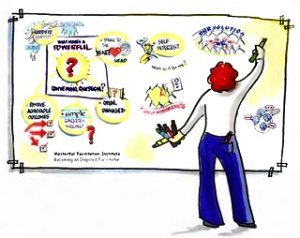
Training facilitation is an essential skill that allows trainers to create learning opportunities for their groups. It also allows them to help learners to better understand their own needs and the skills that they need to develop.
The process of training facilitates can differ from other methods of teaching, mainly because it doesn’t follow a linear framework and focuses on adaptability. This enables the facilitator to meet and exceed their set objectives even when the group deviates from the agenda.
In addition, facilitators must be able to handle situations where participants are not engaged in the learning process. This is especially common when they are not motivated by the learning content, and it can have a significant impact on the quality of the training sessions conducted.
Good facilitators know that learning is a process that takes time, and they plan their schedule accordingly to ensure that they are not wasting any valuable resources on activities that are not relevant or engaging for the group. For example, they may park a discussion that doesn’t directly contribute to the learning outcomes until later dates, or they may suggest that participants think of more relevant questions and issues.
They also know how to make the learning environment more inclusive, so that everyone feels included and has a say in the process. They can ask the right questions to encourage lateral thinking and to engage learners in dialectical inquiry, which gets them to challenge each other’s opinions and perspectives.
Facilitation is a skill that can be developed through many means, and there are a number of courses and online learning resources available. These can range from general training to more specialised ones that focus on specific methodologies such as cognitive behavioral or design-thinking.
These workshops can be run at any time and in any place, whether for a small group of people or an entire company. They are based on Kolb’s cycle of experiential learning, which is a structured and iterative approach that helps learners progress through different activities, debriefing for reflection and putting new skills into practice.
A good training facilitator is not only skilled at delivering information and engaging participants but also ensuring that learning is transferred to the organisation as a whole. This involves identifying the best learning outcomes, designing activities and materials that will support this and encouraging learners to apply their knowledge in the real world.
The best training facilitators are also able to keep the group on track and guide their learning through the different stages of the program. This can involve keeping a clear and concise agenda that’s set according to a specific purpose or plan, and making sure that each stage is followed.
They can also be patient, so they can allow their group to resolve any hiccups that come up throughout the course. If things don’t go according to plan, the facilitator can adapt to the situation by introducing alternative ways of working or a different topic for the group to discuss.




0 Comments