Facilitator concepts in education outline
Understanding facilitator roles in education
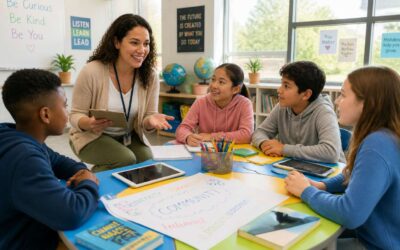
In South African classrooms, engagement can surge by nearly 40% when learners steer the conversation. I’ve watched learners light up as the facilitator shifts from sermon to scaffolder, turning every question into a doorway rather than a barrier.
That shift is encapsulated by the phrase “facilitator meaning in education”—a role where guidance, not diktat, leads the journey. The facilitator designs spaces where curiosity drives discovery, not rote recitation.
- creating inclusive spaces
- asking provocative questions
- curating resources and peer interactions
- balancing pace to match learner needs
In this model, learning becomes a shared adventure—where the teacher coaches, peers critique ideas, and outcomes grow from collaboration.
Core facilitator skills for education
Rhythms of inquiry beat where the facilitator meaning in education becomes a living song rather than a lecture. In South African classrooms, guidance shifts from sermon to scaffolder, inviting every learner to claim space, ask bravely, and co-design what discovery feels like.
Core facilitator skills weave curiosity into structure. They equip teachers to balance voice and pace with intention, guiding conversations rather than dominating them. Consider these essentials:
- Designing inquiry-friendly spaces that welcome diverse ideas
- Framing provocative questions that sustain dialogue
- Listening intently and delivering feedback that nudges thinking forward
- Co-creating assessment and reflection with learners
When these elements align, learning becomes a shared voyage—teacher as coach, peers refining ideas, outcomes blooming from collaboration rather than repetition.
Facilitator vs instructor in learning environments
In South Africa, classrooms that invite learners to co-create discovery show engagement blooming. A striking stat puts learner recall at a premium when the journey is shaped with collaboration.
The facilitator meaning in education shifts from telling to guiding—an art that treats dialogue as the curriculum. Far from sermons, these spaces invite inquiry, brave questions, and a confident sense of pace.
Key distinctions in practice include:
- Guides inquiry rather than dominates content
- Co-designs assessment with learners
- Balances voice, pace, and listening
In this lens, learning becomes a shared voyage—where the classroom is a co-designed map and outcomes glow from collaboration rather than repetition.
Strategies to implement facilitation in the classroom
South African classrooms are waking up to a simple truth: when learners co-design the journey, engagement flourishes and recall climbs. The facilitator meaning in education shifts from telling to guiding—an art where dialogue is the curriculum, not a side dish. Spaces become labs for inquiry, where brave questions and a careful pace keep learning lively rather than listless.
Strategies to implement facilitation in the classroom include:
- Co-design goals and success criteria with learners to anchor intent and ownership
- Design prompts that invite inquiry, not indoctrination
- Use regular check-ins and reflective pauses to balance voice, pace, and listening
- Co-design assessments with learners to surface evidence of learning
In South Africa’s diverse classrooms, this approach transforms spaces into co-designed maps where learning shines through collaboration.
Measuring impact and outcomes of facilitation in education
In South Africa’s classrooms, the shift from telling to guiding feels like sunrise on a chalkboard—suddenly questions are the spark, collaboration the fuel, and curiosity a daily companion. Engagement deepens as learners co-create meaning alongside their peers.
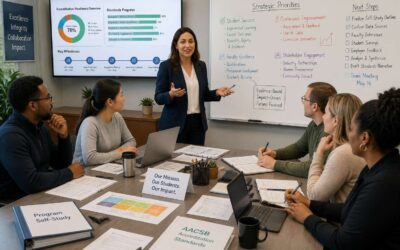
Measuring impact and outcomes of facilitation in education redefines success as evidence of inquiry, adaptability, and shared understanding. The facilitator meaning in education becomes a lens that values thinking, dialogue, and transferable skills over rote recall.
- Formative indicators such as reasoning, reflection, and transfer
- Portfolios and performance tasks that demonstrate growth
- Peer and teacher feedback loops that sharpen learning trajectories
When measurement follows this arc, South Africa’s diverse classrooms reveal learning as a tapestry—dynamic, collaborative, and alive.


0 Comments